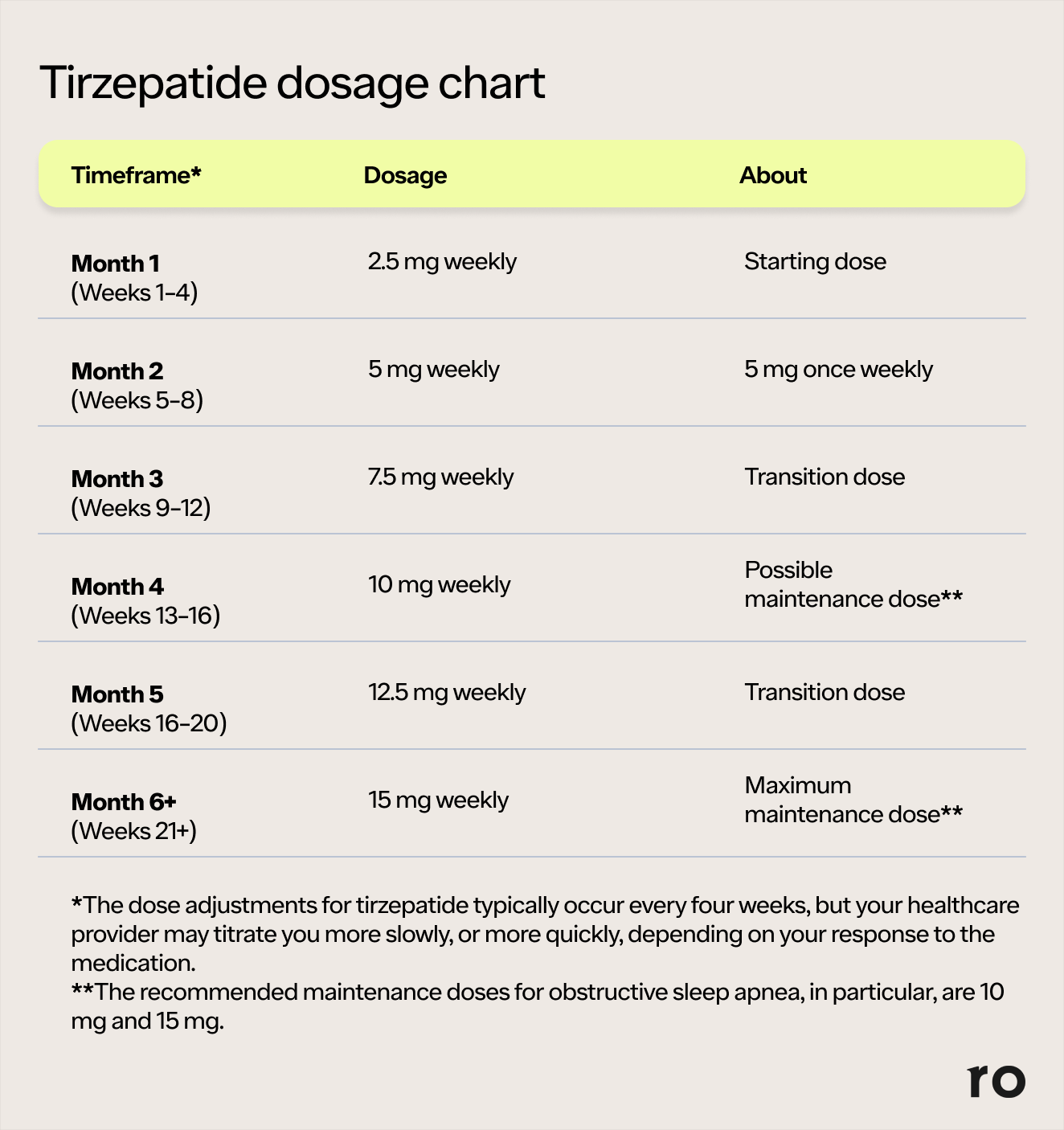
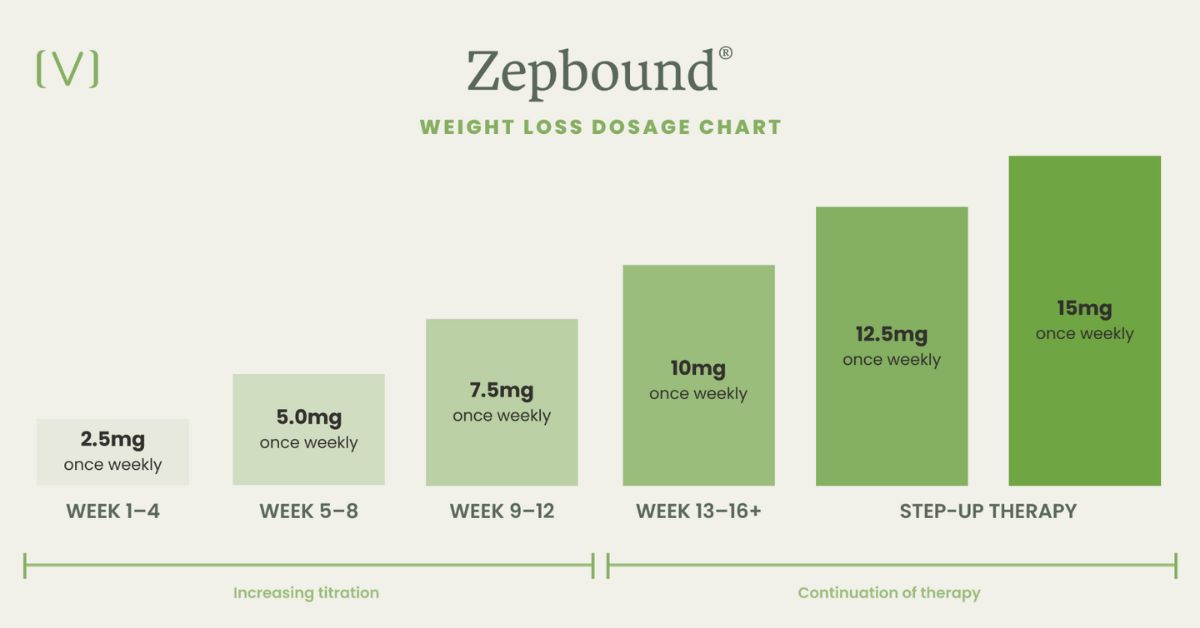
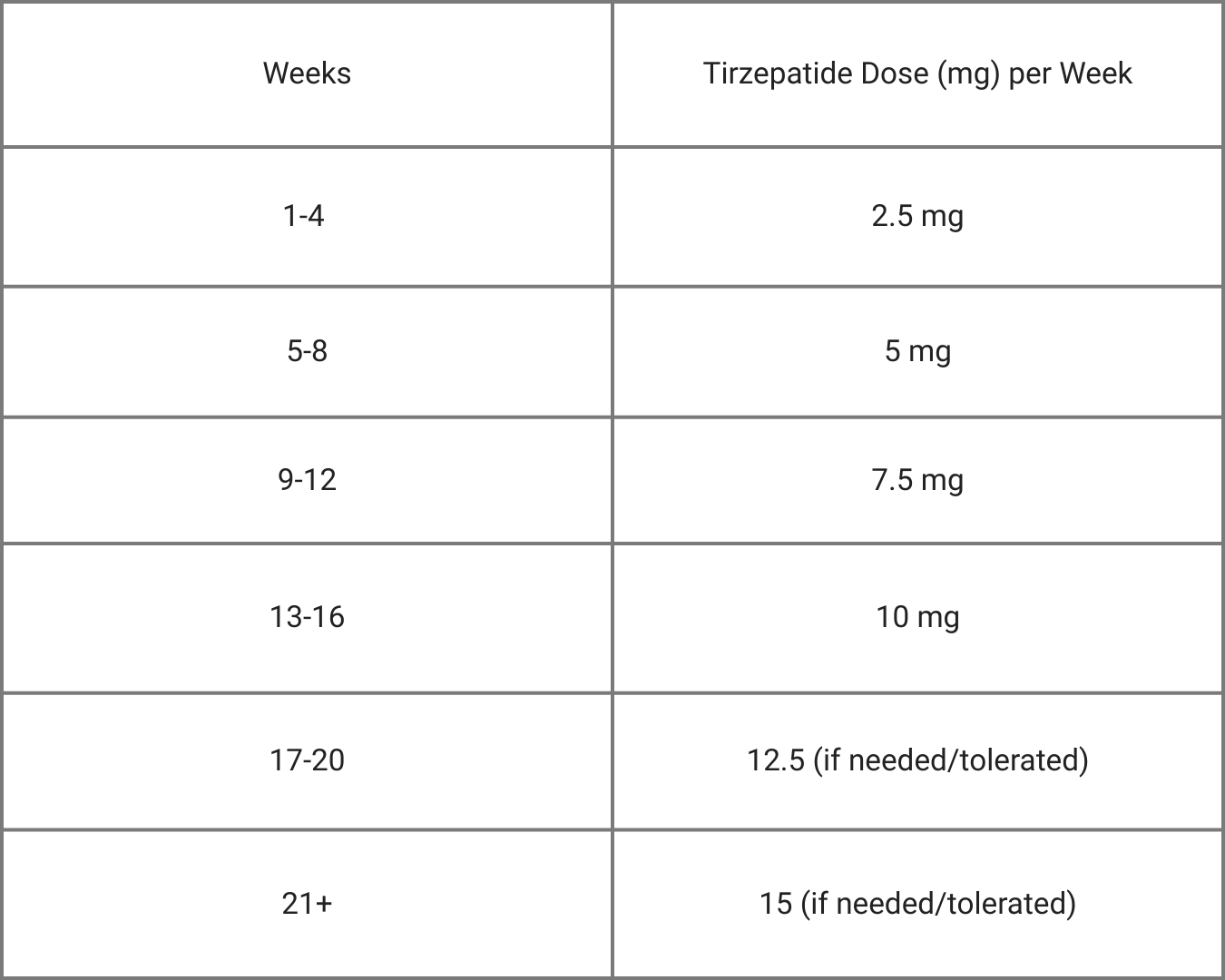
Strategies may include adjusting meal composition, addressing hidden sources of liquid calories, improving portion awareness, modifying exercise patterns, or refining medication dosing
No milk, egg, fish, crustacean shellfish, tree nuts, wheat, peanuts, soybeans, yeast, corn, artificial colors or flavors, added sugar, starch or preservatives
Furthermore, the same test subjects failed to respond when MSG was given with food. A systematic review of over 60 studies that purported to examine the effects of MSG ingestion on asthma failed to demonstrate a link, however only two studies met the reviewers rigorous inclusion criteria. A recent placebo-controlled study of individuals who self-reported an irregular heartbeat, atrial fibrillation (AF), in association with MSG consumption, demonstrated no association between AF and doses of 3 g of MSG. Bottom line: There is no reproducible scientific evidence that the general population or even self-identified MSG-sensitive individuals, are adversely affected by ingestion of MSG with food or on an empty stomach
Fischer, Molecular modelling of the FOXO4-TP53 interaction to design senolytic peptides for the elimination of senescent cancer cells
Lightweight, non-greasy formulas