The mechanisms involved directly address the biological limitations that make hip injuries so slow to resolve
Three different tests: Tendon outgrowth , how many cells grow out from a piece of tendon in the dish Wound healing assay , cells are grown as a monolayer, you make a scratch in it and observe how quickly it closes Cell survival , you add peroxide (oxidative stress, which normally kills cells) and observe how many survive What they found: Tenocytes grew faster and in a dose-dependent curve (the more BPC-157, the more growth) The scratch closed 1.8 faster at 1 g/ml BPC-157 Under oxidative stress, 22 % of cells survived without BPC-157, but 67 % with BPC-157 When they blocked the FAK enzyme, the effect disappeared mechanism confirmed Why it matters: This is not just a systemic effect via blood, BPC-157 directly modifies the biology of an individual cell
Organized fiber architecture directly correlates with higher tensile strength and reduced re-injury risk at the repair site
In burn wound models, BPC-157-treated animals showed decreased inflammatory cell infiltration compared to controls
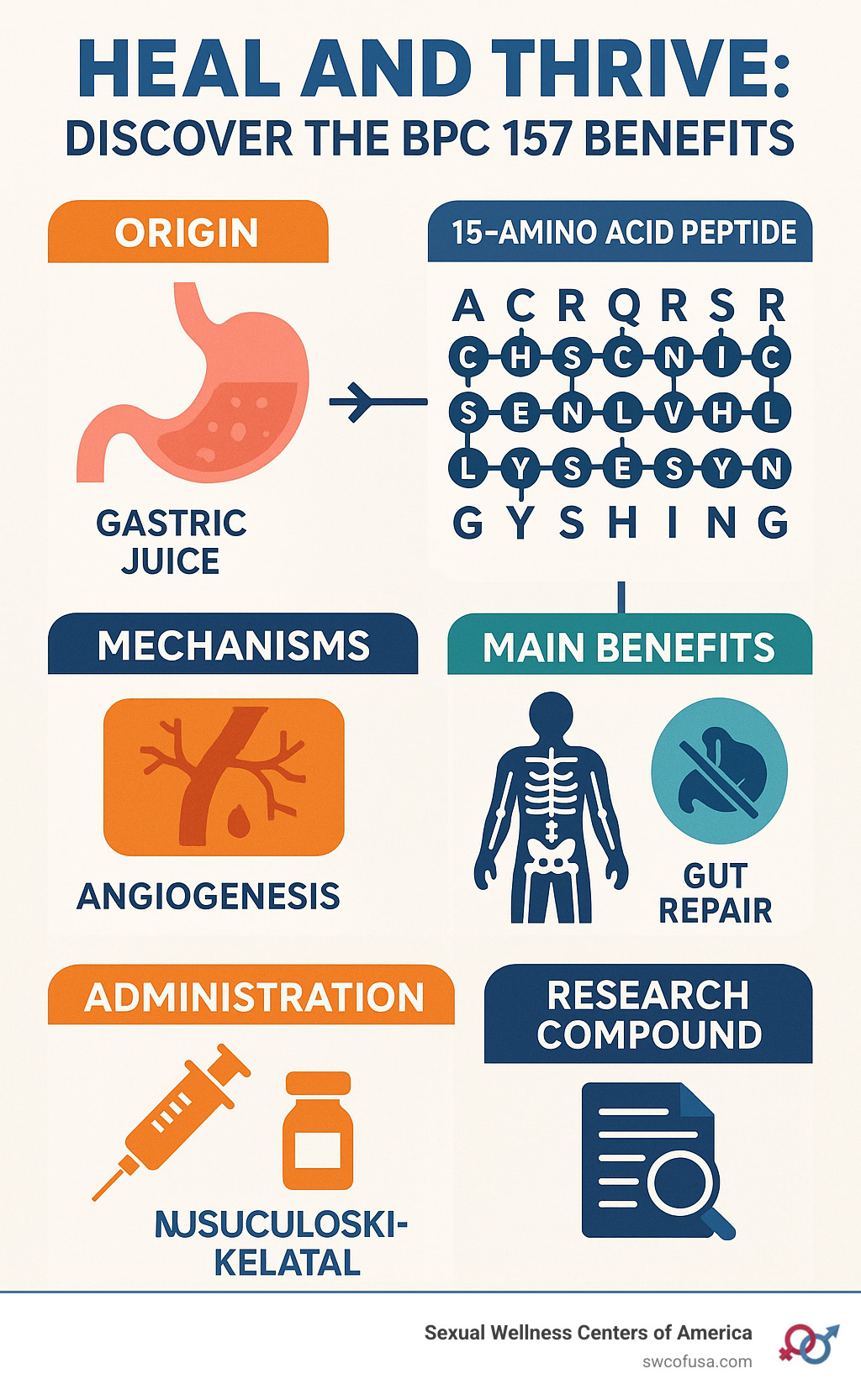
It is a synthetic derivative closely resembling a sequence found in human gastric juice