Lund et al
The cigarette is lit, usually with a match or lighter at one end and allowed to burn for the purpose of inhalation of its smoke from the other (sometimes filtered) end, which is inserted in the mouth
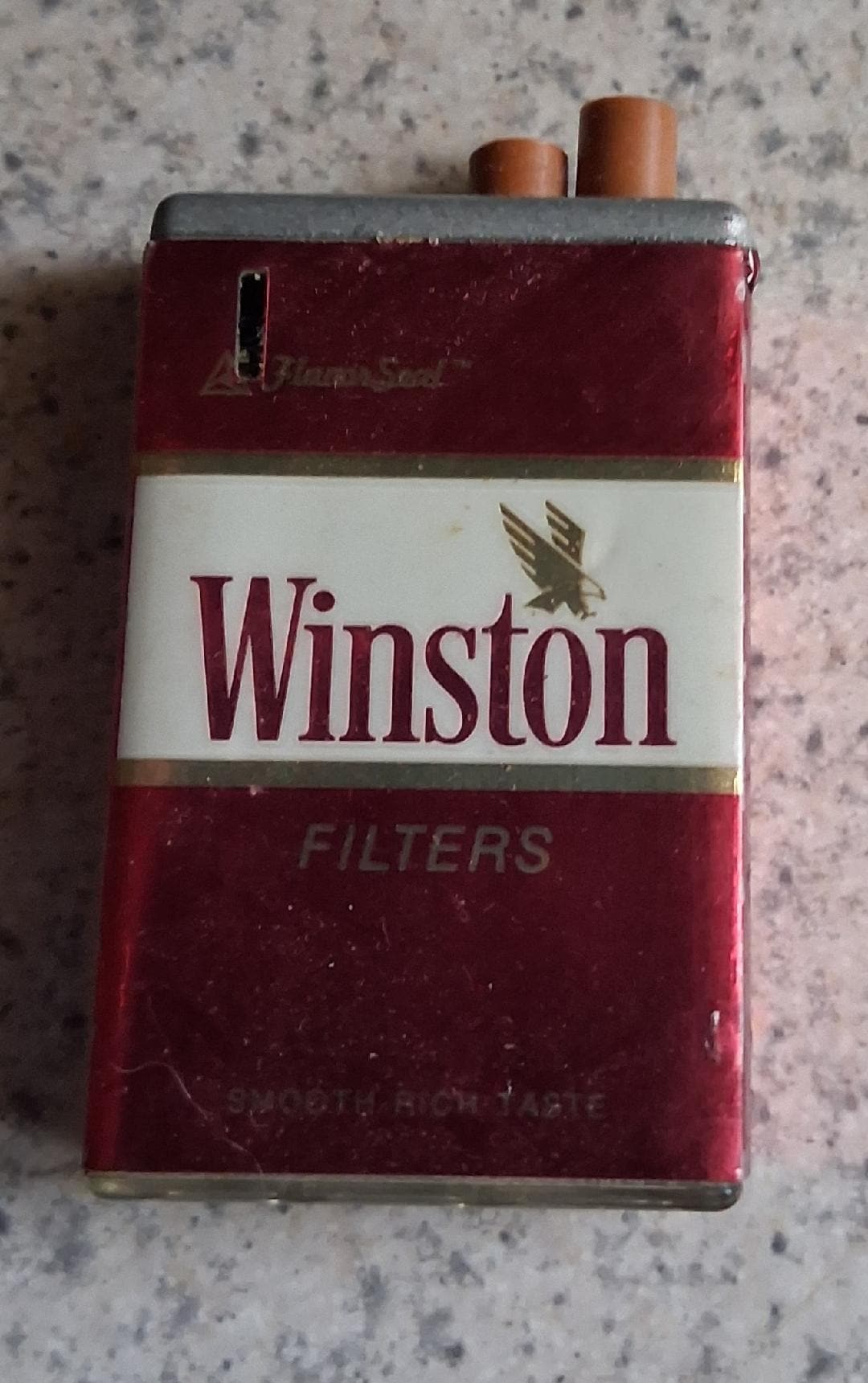
The body of evidence concerning the companys reprehensible conduct over decades provided a robust basis upon which the jury could conclude without resort to passion or prejudice that the company had engaged in malicious, willful, wanton, or reckless conduct, and was grossly negligent, such that an award of punitive damages of significant magnitude was appropriate. In its appeal brief, Philip Morris wrote that jurors in Fontaines wrongful death case returned the largest punitive damages award ever issued by a jury in the nearly 400-year history of the Commonwealth of Massachusetts, by a factor of six. It argued that the judges reduction of the award was nowhere near sufficient and a new trial was necessary because the jurys verdict was obviously motivated by passion and prejudice. Celene Humphries, a Tennessee attorney representing Fontaines estate, wrote in a brief that the jury was educated, attentive, and had considered Philip Morris substantial wealth in order to determine what amount of money is needed to punish its conduct and to deter any future acts. She cited internal company documents presented at trial that showed Philip Morris designed cigarettes to be as addictive as possible to boost sales
Cottonmouth and puffy red eyes 1
You're the type that went to see Evel Knievel bash his brains in at the Snake River Canyon






)