Kindler syndrome (KS) is an autosomal recessive genodermatosis first described by Kindler in 1954.1 It is a rare subtype of hereditary epidermolysis bullosa (EB).2 Only 250 cases have been reported worldwide.3 In Peru it accounts for 4.3% of EB cases, according to a report that includes all 4 cases presented in this article.4 KS is caused by a mutation in FERMT1, the gene that encodes kindlin-1 protein, which is expressed in the skin, periodontal tissue, small intestine, colon, and rectum.5,6 Kindlin-1 forms part of the cytoskeleton of basal keratinocytes, and participates in cell migration, adhesion, and growth.5,7 Loss of kindlin-1 function results in skin fragility and defective binding of actin to the extracellular matrix.8 Clinical manifestations usually present from birth and consist of blistering induced by trauma or sun exposure, diffuse skin atrophy, and early-onset poikiloderma in photo-exposed areas

"Psychosocial interventions for supporting women to stop smoking in pregnancy"
It includes a visit to a cigar factory and tells you everything about Cuban cigars
Heading toward Lake Ozark
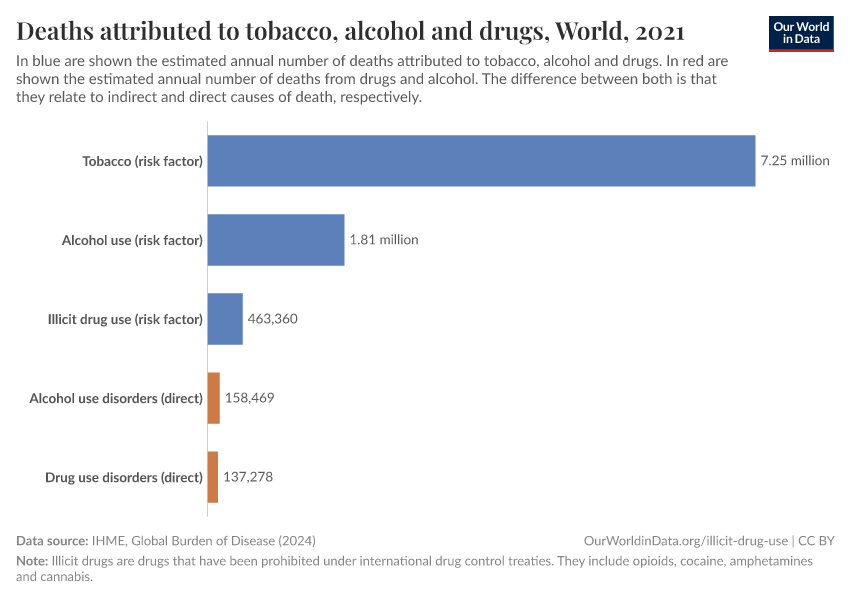
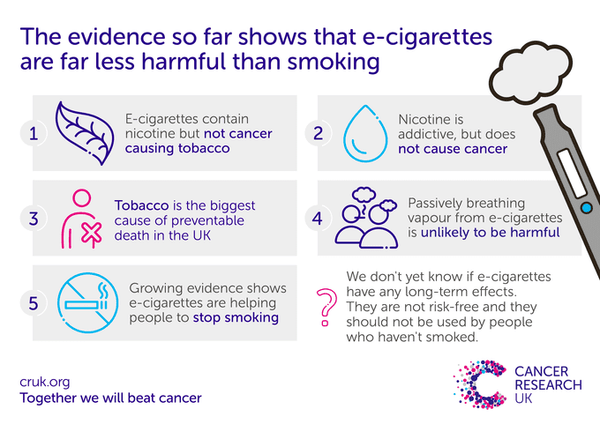
Millions of individuals continue to light up cigarettes despite growing awareness about the health hazards associated with smoke












:format(webp))


:max_bytes(150000):strip_icc()/nicotine-addiction-101-2825018zhansentexteditcopy-8dc8cdd855104de4b3fc4c138c31bde6.jpg)